

You should not have to brace for every day
Anxiety is treatable, and it responds unusually well to structured work. Cognitive Behavioral Therapy gives you something to do with the worry instead of only living inside it — usually with noticeable change in weeks, not years.
Start here
Does this sound familiar?
Most people who reach out recognize themselves in at least three of these. You do not need all of them, and you do not need a diagnosis to start.

- Your mind runs the same worry loop and you cannot argue your way out of it
- You over-prepare, over-check, or over-apologize to keep something bad from happening
- Your body is tense, your sleep is thin, and your stomach knows before you do
- You avoid calls, driving, flights, crowds, or speaking up — and the list keeps growing
- Panic arrives without warning and you now fear the panic itself
- You look completely fine from the outside, which makes it lonelier
Recognize a few of these? That is enough to start a conversation. You do not need a diagnosis, a crisis, or the right words.
The treatment
How I treat anxiety
We work on what maintains the anxiety today, not only where it came from. You leave each session with something concrete to try.
- 1
Map the cycle
We find your specific triggers, the thoughts that follow, and the avoidance or reassurance habits that keep the loop alive. Seeing the map is already a relief for most people.
- 2
Change the thinking
CBT and TEAM-CBT methods for testing anxious predictions against reality — not positive thinking, but accurate thinking you actually believe.
- 3
Practice the hard thing, gradually
Step-by-step exposure to what you have been avoiding, at a pace you set, until your nervous system learns the new outcome instead of hearing about it.
Why work with me on anxiety
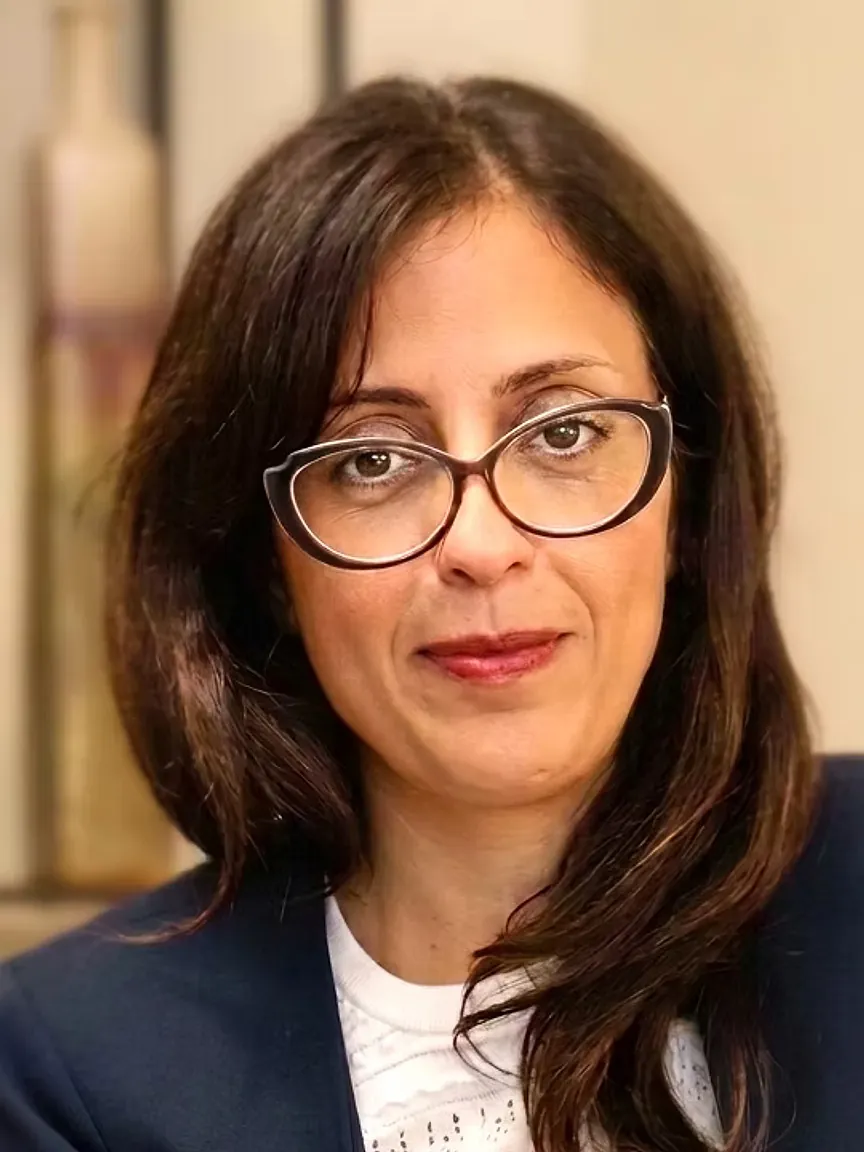
Anxiety disorders have been the center of my clinical work for years, including advanced training at the Center for the Treatment and Study of Anxiety (CTSA) at the University of Pennsylvania — one of the places where the leading anxiety and exposure protocols were developed.
- Ph.D. in Clinical Psychology, licensed in California (PSY 29817)
- Advanced training at the CTSA, University of Pennsylvania
- TEAM-CBT trained through the Feeling Good Institute
- Adults, teens, and children — same methods, different language
Common questions
Anxiety & Panic: what people ask me first
More on fees, insurance, and logistics is on the FAQ page.
Most people doing focused CBT for anxiety see meaningful change in 12–20 sessions. Some need fewer, some more. We measure progress session by session so you are never guessing whether it is working. Since you will be learning new skills, your progress also depends on your ability to practice the tools between weekly sessions.
Still wondering about something? Read the full FAQ or just ask in the consult.
Anxiety shrinks when you stop facing it alone
Book a free 20-minute consult. We will talk about what has been happening and whether this approach fits you — no commitment, no charge.
- 20 minutes, no charge
- Phone or secure video
- No commitment to continue